
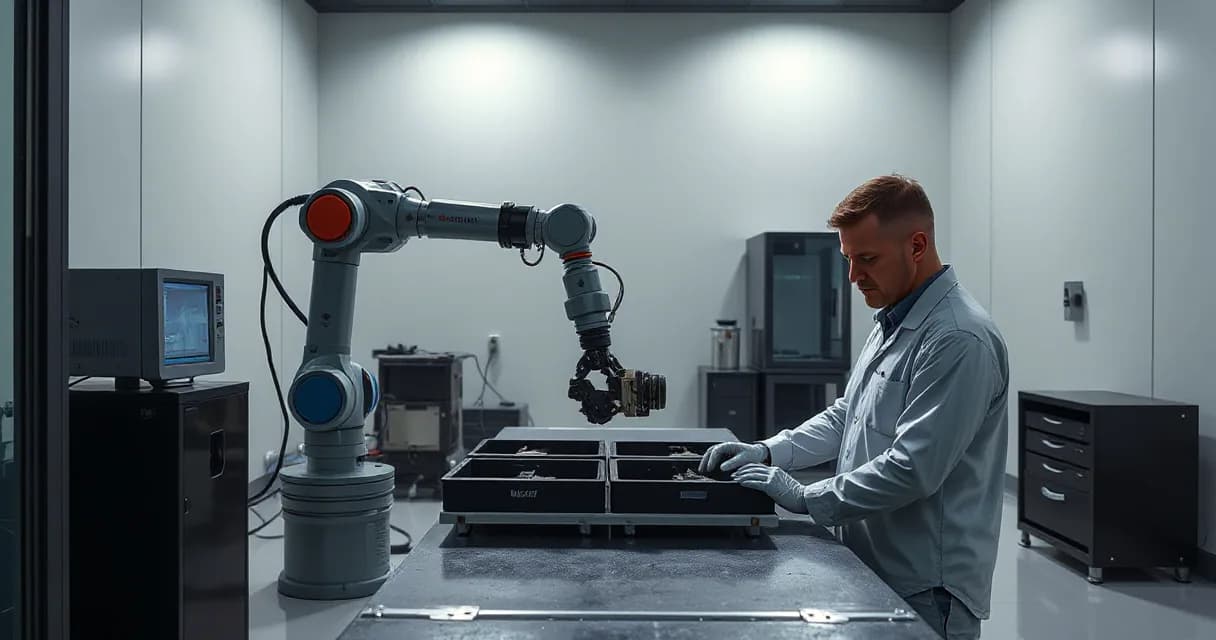
NVIDIA and Hugging Face announced the introduction of new models and frameworks into the LeRobot project, which is designed for the open robotics community. This event occurs against a backdrop of growing recognition that sharing models, data, and tools accelerates innovation in the field of artificial intelligence.
According to the publisher's statement, the development of physical AI is often hindered by costly and fragmented resources. Such obstacles include the need for large datasets, foundational models for robots, as well as tools for simulation, computation, and validation.
The presented updates are intended to address these limitations by providing developers with more accessible means to create and test robotic systems within an open ecosystem.
editorial commentary
Why it matters
The most likely consequence will be an increase in experimental robotics projects from the academic community and startups. The next observable signal will be the emergence of the first demonstration videos or code repositories from third-party developers using the updated LeRobot. The main uncertainty remains the actual performance of these models in physical conditions outside of simulations.